If you are significantly fat and have struggled to lose weight, your doctor may consider weight reduction surgery. Bariatric surgery is another term for weight reduction surgery. It is an efficient method of losing weight and lowering the risk of weight-related disorders. Cardiovascular disease, diabetes, hypertension, strokes, sleep disorders, and arthritis are examples.
Gastric bypass is a kind of weight reduction surgery. Gastric bypass operation comprises inborn hazards. Infection and internal bleeding are all possible risks of surgery. Anastomosis is another concern. A new link formed in your intestines and Stomach following bypass surgery may not heal entirely and will leak. The most dangerous consequences of gastric bypass surgery are the leakage of digestive fluids and partially digested food via an artery.
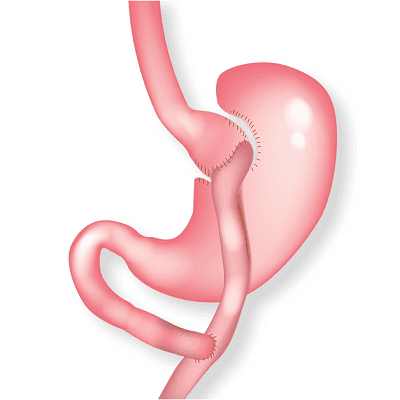
Roux-en-Y Gastric Bypass Surgery Dubai is among the most frequent weight loss procedures, accounting for around 47 percent of all weight loss procedures. The surgery is done in 2 parts:
Part One: Creating a Small Pouch in Stomach:
The surgeon separates the Stomach into two halves, one huge and one much smaller. The little Stomach segment is then sewed or stapled together to form a pouch that can only accommodate a cup or two of food, a procedure known as “stomach stapling.”
Individuals with tiny stomachs feel satisfied faster and eat little. Because the new stomach length limits how many meals it can store, this method is also known as “restrictive.”
Part 2: Bypassing:
The doctor separates the new, tiny stomach pouch from the remainder of the Stomach and the initial portion of the small intestine (the duodenum) and then attaches it to a somewhat lower segment of the small intestine (the jejunum). This surgery procedure is known as a “Roux-en-Y.”
Food goes straight from the Stomach into the peritoneum after a Roux-en-Y procedure, skipping the intestine. This reduces calorie and nutrient uptake. This way of losing weight is known as “malabsorptive.”
Stomach stapling and Roux-en-Y are often performed concurrently and are referred to as a “Roux-en-Y gastric bypass.”
Typically, surgeons perform laparoscopy (using tools inserted through minor cuts in the belly).
Potential Risks and Recovery:
Gastric bypass surgery before and after outcomes can be seen after two weeks. People often stay in the clinic for 2 to 3 days after gastric bypass surgery and return to regular activity within 2 to 3 weeks. Intensive services about 10% of persons and might involve:
- Wound infections.
- Digestive issues.
- Ulcers.
- Bleeding.
About 1% to 5% of patients experience significant or life-threatening consequences, gastric bypass surgery risks include:
- Blood clot (deep vein thrombosis).
- Heart attack.
- Defect in the surgical links with the intestines.
- A severe infection or bleeding.
Complications are less likely at clinics that perform more than 100 weight reduction surgery each year. When performed by a highly competent surgeon, deaths in the following month of Gastric Bypass Surgery are infrequent (approximately 0.2 percent to 0.5 percent, or less than one in 200 persons).
Several health issues may arise as an outcome of the procedure. Inadequate absorption of nutrients such as iron and calcium, for instance, can lead to anemias and osteoporosis. However, using nutritional supplements and having blood testing can reduce the likelihood of this happening. Gastric bypass surgery recovery time is about 2 to 3 weeks.
Gastric Bypass Benefits and Drawbacks:
Here are the gastric bypass surgery pros and cons:
In the first year after surgery, gastric bypass surgery can help you lose 10 to 20 pounds every month. You will eventually lose fat if you consume a nutritious diet and exercise regularly. The operation also aids in the management of obesity-related health issues.
On the other hand, blood tests necessitate a lifelong follow-up with a physician to maintain optimal fitness and nutrition.
If a person has to have the procedure undone for whatever reason, the Stomach is still present and may be hooked up again. If an associated significant medical condition occurs, can also utilize this leftover Stomach to aid with feeding.
Summary:
Gastric bypass surgery is a successful obesity treatment, one of the leading causes of avoidable mortality globally. The purpose of surgery is to lose a considerable amount of fat by helping you feel full faster with less food, restricting your calorie consumption, and absorbing fewer calories through small intestine changes. The average cost of a Gastric Bypass in Dubai is AED 18,000 to AED 30,000.
The weight reduction and the operation’s success are affected by the patient’s post-surgery eating habits and activity. Patients can achieve success if they commit to modifying their living choices and seeing their doctor regularly.
Weight reduction is quicker than with Dr. Szabolcs Papp’s surgery, with most patients dropping more than 100 pounds or 65 to 70% of their desired fat loss in the initial year. Dynamic Aesthetic Clinic Dubai patients lose an average of 125 pounds.